Taxonomy & biodiversity
Understanding species, their relationships and the diversity of mites and ticks.
Connecting people who study mites and ticks. A meeting point for research, scientific exchange and the acarology community in Iran and around the world.
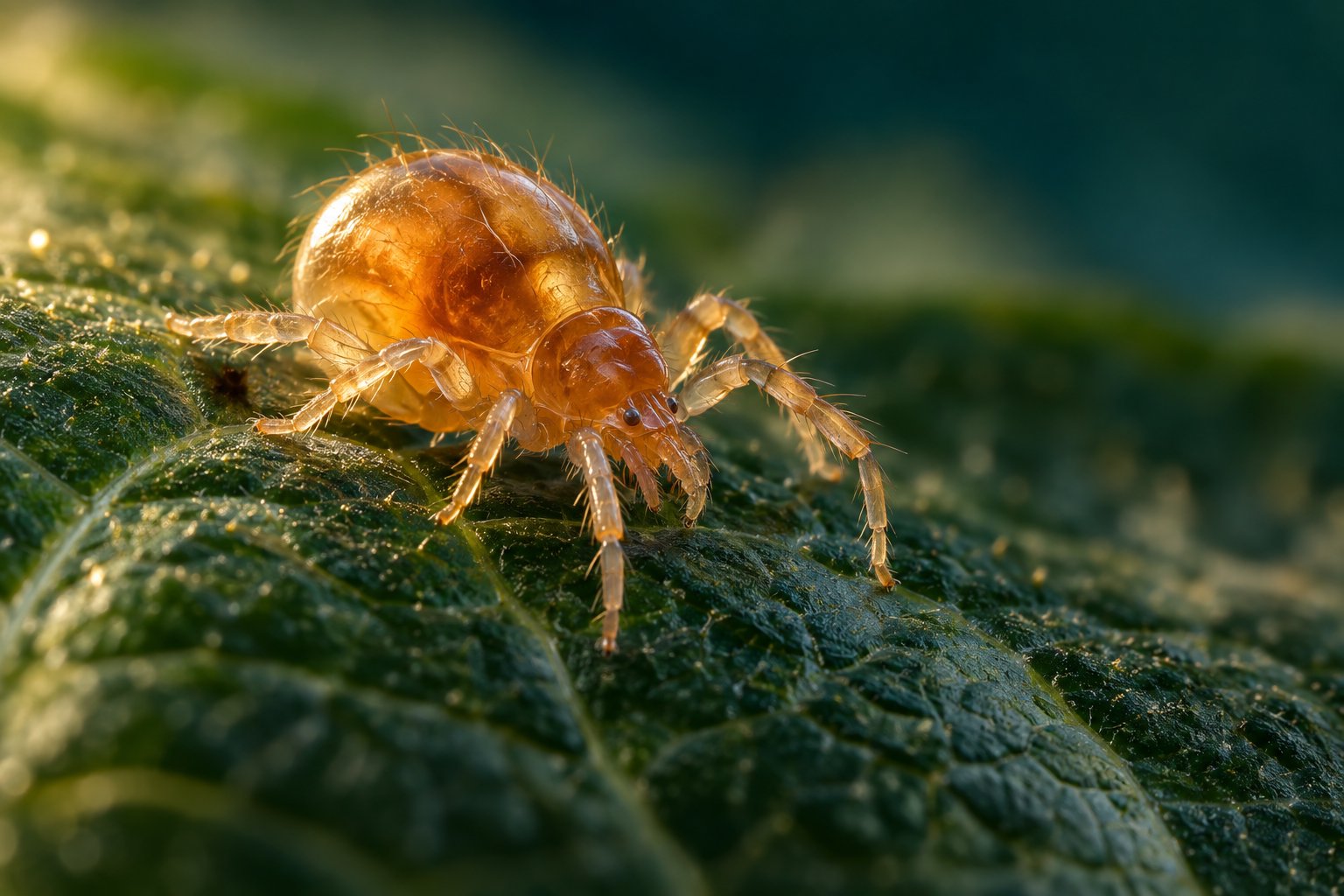
The Acarological Society of Iran (ASI) was established on 30 August 2008 to strengthen acarology and encourage communication among researchers at home and abroad.
Our documented activities span scientific congresses, publications, webinars, student activities and educational resources. The society welcomes people interested in mites, ticks and the exchange of scientific knowledge.
Explore membershipAcarology connects fundamental questions about diversity and evolution with research in agriculture, ecology and health.
Understanding species, their relationships and the diversity of mites and ticks.
Exploring ecological roles, plant-associated mites and biological control.
Studying mite and tick biology in relation to human and animal health.
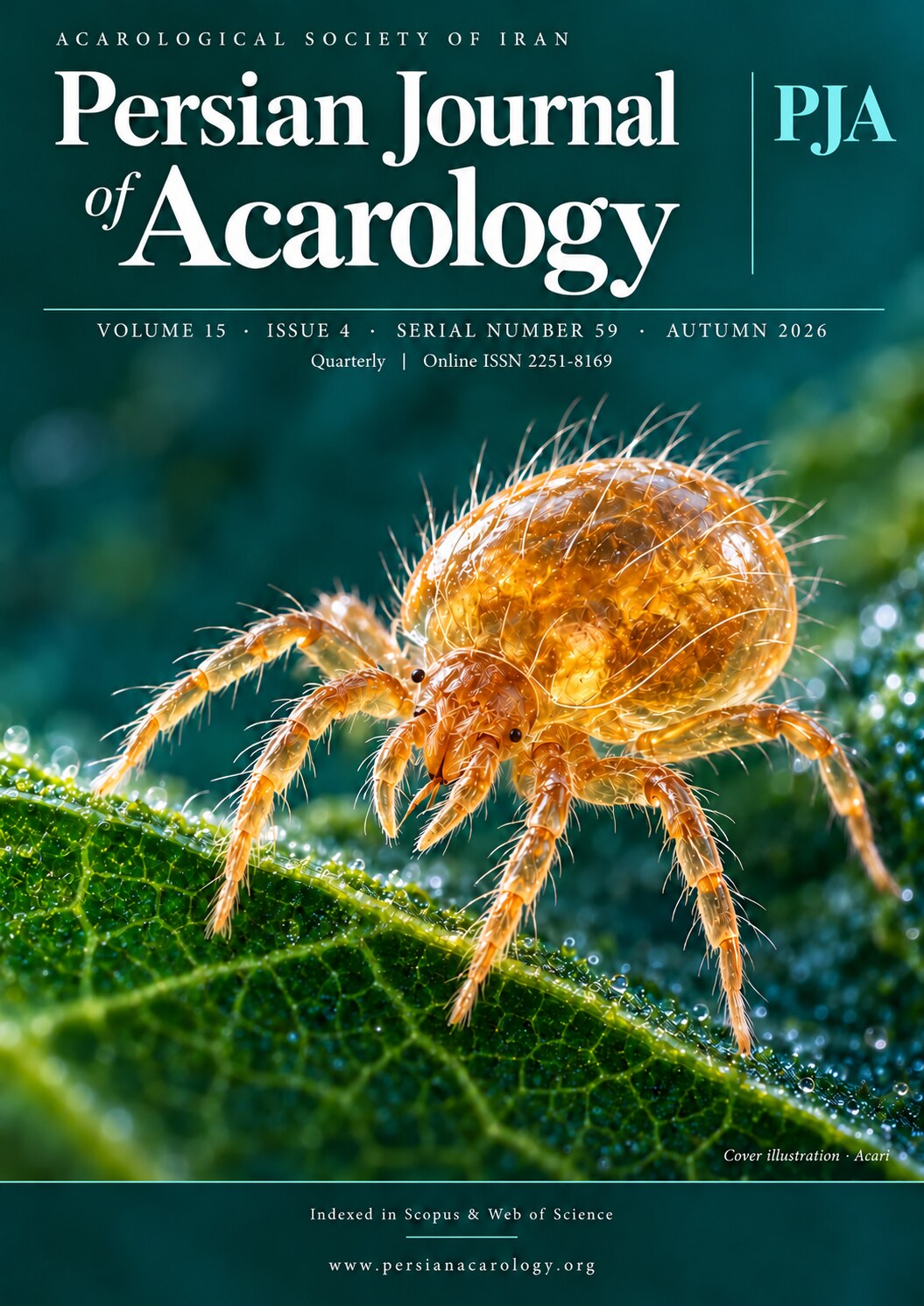
The society’s international journal publishes research on mites and ticks, from biology and ecology to systematics, taxonomy and tick-borne diseases. Visit the journal for current issues, author guidance and submissions.
Explore the journalResearch across the breadth of acarology
Original issues from the society’s archive.
Programmes, abstract books and proceedings.
Autumn 2026
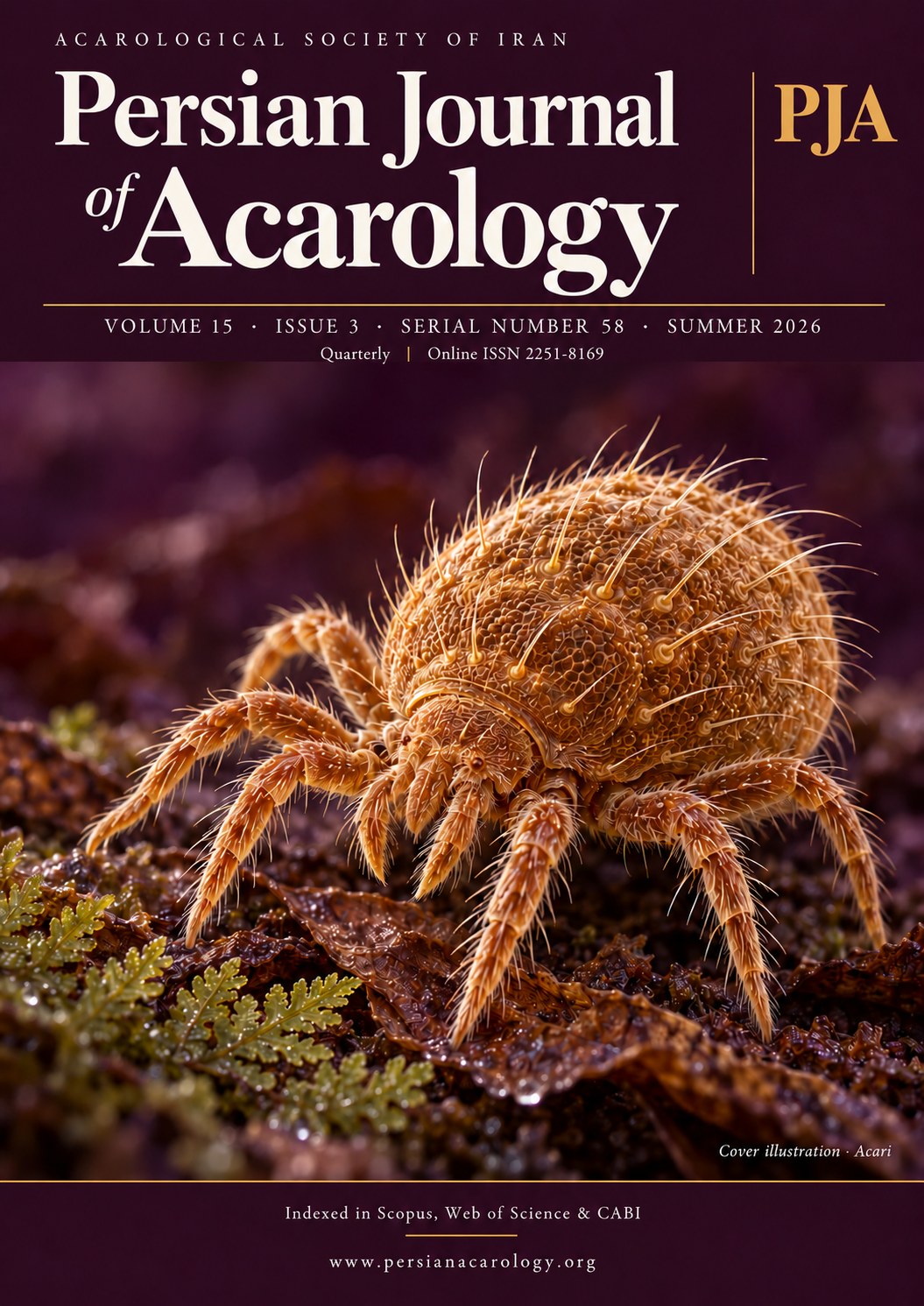
Summer 2026
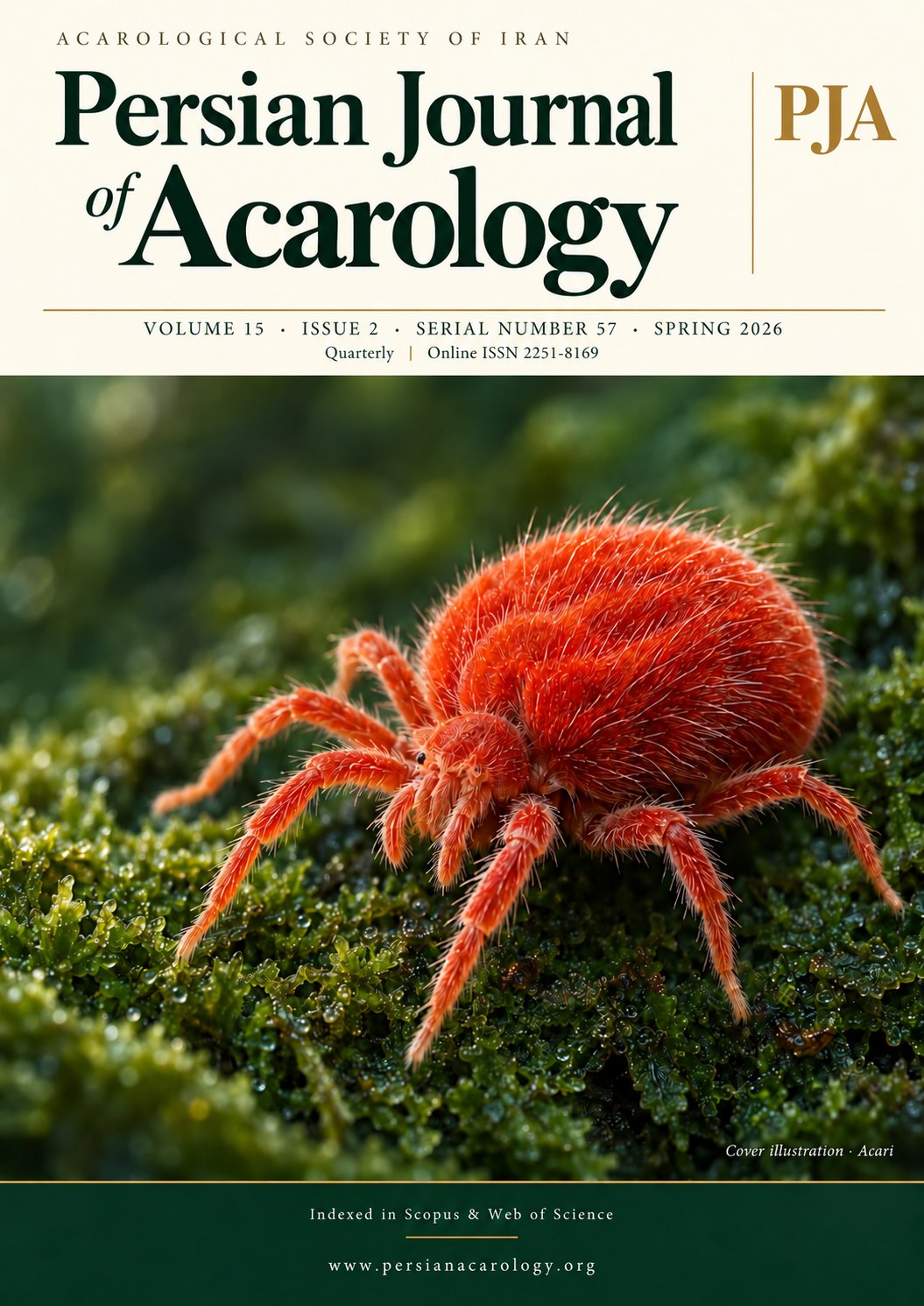
Spring 2026
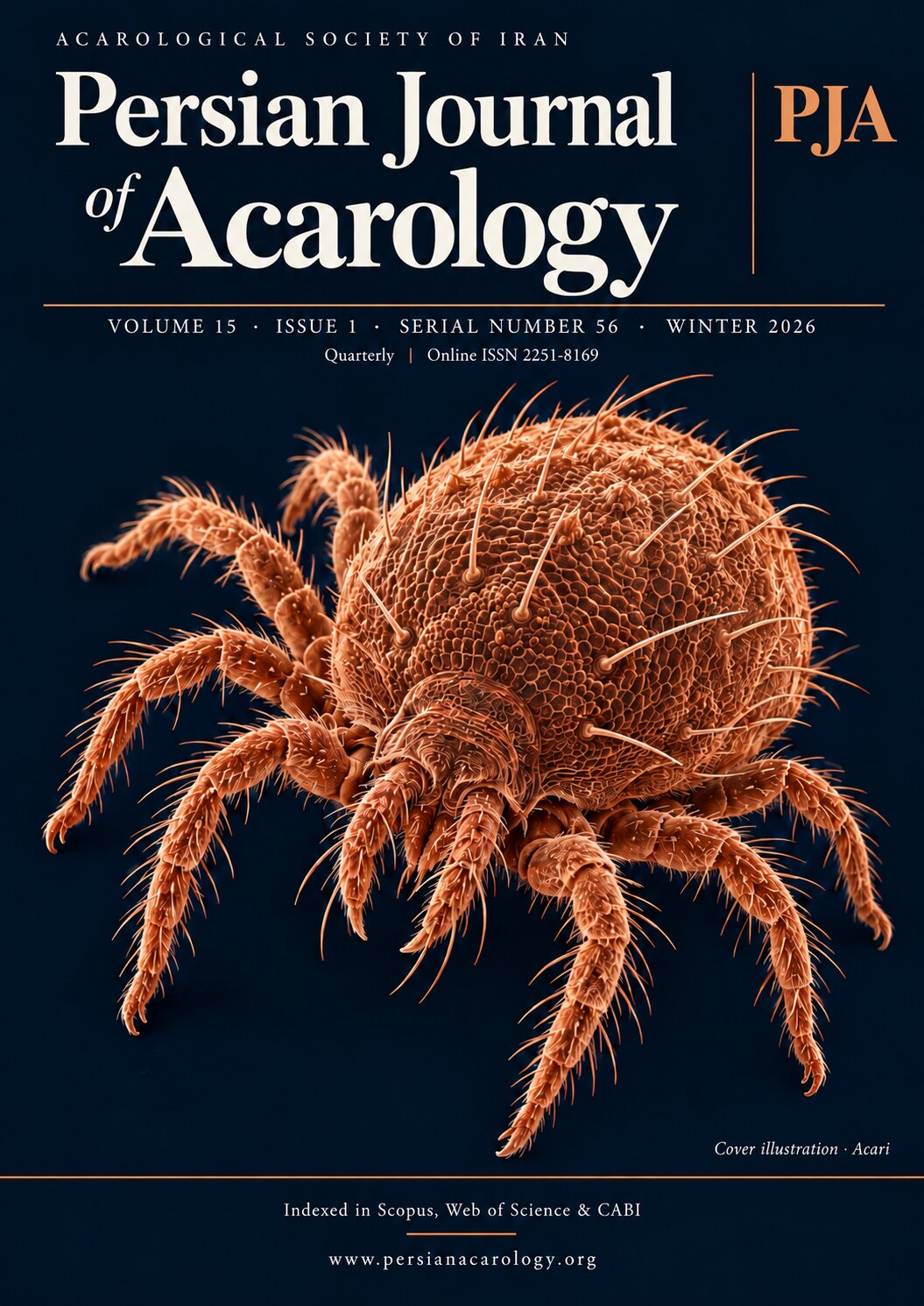
Winter 2026
Issue links and publication status checked on 3 October 2026. Visit the journal for the latest record.
A selection of published research and accepted manuscripts. Read the original article for the full methods, findings and citation details.
Researchers describe P. bonjarensis from Zabol and Bonjar, with an updated identification key for the genus.
A field study examines plant-derived oils against Tetranychus urticae on squash and eggplant.
Date palm pollen from four Iranian locations is compared for its effects on Amblyseius swirskii. Rodan pollen supported stronger performance in the reported experiments.
A laboratory study evaluates the toxicity and repellency of Heracleum persicum and Trachyspermum ammi oils against Panonychus ulmi.
Editorial highlights, not full abstracts. Persian summaries are provided for discovery; the original journal record remains authoritative.
Services listed by the journal.
The International Persian Congress of Acarology brings research into conversation. Explore selected past congresses and their original scientific records.
2nd IPCA
3rd IPCA
4th IPCA
Interested in acarology? Connect with a community of researchers and students who share your curiosity about mites and ticks.
Enquire about membershipDepartment of Plant Protection, College of Agriculture, University of Tehran, Karaj, Iran. P.O. Box 4111 · Postal code 31587-77871.
Please confirm the office address before visiting.